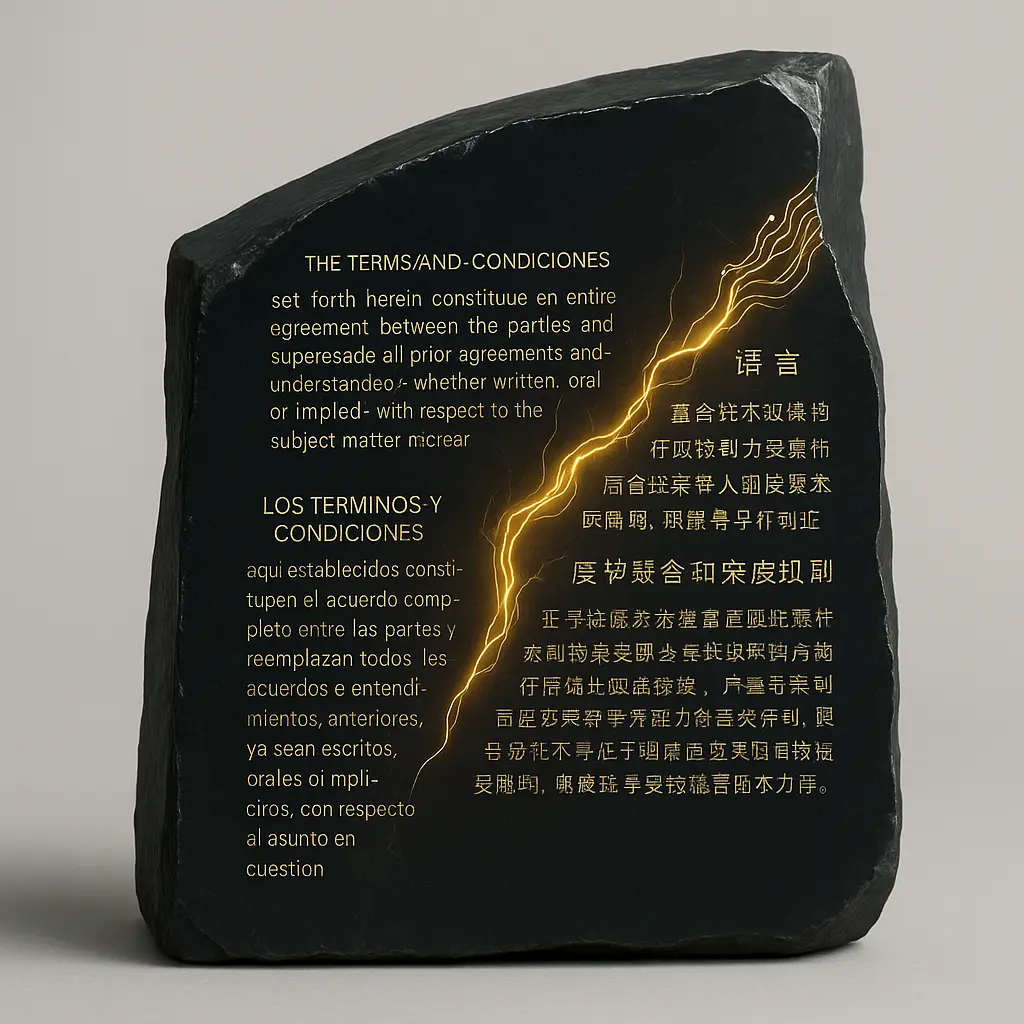
AI in Legal Translation and Interpretation: Practical Applications, Risks, and Best Practices

Wishlist Share
Share Course
Page Link
Share On Social Media

About Course

This two-hour CLE course explores how Artificial Intelligence (AI) is reshaping legal translation and interpretation. Participants will learn how to integrate AI-powered tools—such as neural machine translation (NMT), AI-assisted interpretation, and domain-specific large language models—into legal workflows while ensuring compliance with ethical, evidentiary, and confidentiality standards. 

Through real-world examples and case studies, attorneys and legal professionals will gain practical strategies for using AI to support multilingual compliance, cross-border discovery, courtroom interpretation, and client communication. The course examines common risks—including mistranslations, loss of nuance, bias, and admissibility issues—and provides best practices for vendor selection, workflow design, and human-in-the-loop review. 

By the end of the course, attendees will be equipped to make informed decisions about AI adoption in multilingual legal contexts, balancing innovation with professional responsibility.

Learning Objectives 

Participants will be able to: 

  • Identify AI technologies used in legal translation and interpretation, including their strengths and limitations. 
  • Apply AI tools to multilingual legal tasks while mitigating risks. 
  • Recognize evidentiary and accuracy challenges in AI-generated translations. 
  • Navigate confidentiality, privilege, and ethical obligations in AI-assisted language work. 
  • Implement human-in-the-loop and quality control processes. 


Key Topics 

  • AI translation and interpretation technologies (NMT, speech-to-text, LLMs) 
  • Legal use cases: contracts, compliance, cross-border discovery, court hearings 
  • Accuracy and reliability issues in multilingual legal contexts 
  • Confidentiality, privilege, and vendor data security practices 
  • Cultural nuance, bias, and legal meaning 
  • Language rights and accessibility compliance 
  • Best practices for integrating AI with human expertise 
  • Future developments in legal AI language tools 
Show More

What Will You Learn?

  • Select and evaluate AI translation and interpretation tools for legal applications.
  • Avoid costly mistranslation errors that could affect case outcomes.
  • Maintain ethical compliance while using AI for multilingual legal work.
  • Establish firm-wide AI language service policies and vendor agreements.

Course Content

Welcome and Housekeeping
Introductions and course objectives Instructions for participation and attendance codes

Section 1: Introduction to AI in Legal Language Services
Overview of machine translation and AI-powered interpretation Key differences between NMT and older translation models Real-time interpretation vs. document translation in legal contexts

Section 2: Legal Use Cases for AI Translation & Interpretation
Contract and regulatory compliance translation Cross-border discovery and due diligence Multilingual client communication and courtroom interpretation

Section 3: Accuracy, Reliability, and Evidentiary Considerations
Common error types (syntax, idioms, legal terminology) Risks in legal meaning and nuance Admissibility and authentication of AI-generated translations When and how to incorporate certified human review

Section 4: Confidentiality, Security, and Ethical Obligations
Data handling by AI translation tools Privilege risks with cloud-based platforms Ethical rules: Model Rules 1.1, 1.6, and 5.3

Section 5: Bias, Cultural Nuance, and Language Rights Compliance
Bias in AI training data and outputs Cultural context in legal translation U.S. Title VI, ADA, and state court access rules

Section 6: Best Practices for AI Integration
Human-in-the-loop workflows Vendor selection and due diligence Internal policy drafting

Section 7: Future Trends in AI Legal Language Services
Real-time multilingual legal research AI-driven multilingual compliance monitoring

Live Q&A
Address participant questions Clarify practical implementation challenges

Conclusion and Post-Session Survey
Instructions for survey and completion Final remarks

Want to receive push notifications for all major on-site activities?